Islamabad, March 25: China’s latest five-year development plan places ecological conservation at the core of economic policy, offering a reference point for Pakistan as it seeks to address climate vulnerability, environmental degradation and policy gaps, according to experts.
The 15th Five-Year Plan (2026–2030) sets out targets for reducing carbon emissions, controlling pollution and restoring ecosystems, signalling a shift toward integrating environmental priorities into long-term development planning.
Emphasis on targets and enforcement

The plan outlines measurable indicators for green and low-carbon growth, including a 17% reduction in carbon emissions per unit of GDP. It also includes projects focused on conservation, afforestation and ecosystem restoration.
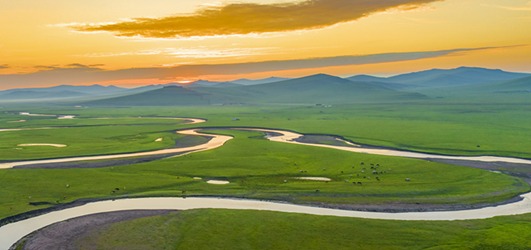
Data released by Chinese authorities shows expansion in forest cover and restoration of degraded land, supported by legal safeguards and monitoring systems aimed at ensuring implementation.
Relevance for Pakistan
Experts say Pakistan can benefit from adopting a similar framework that aligns environmental protection with economic planning. They highlight the need for evidence-based policymaking, stronger enforcement of laws and better coordination among institutions.
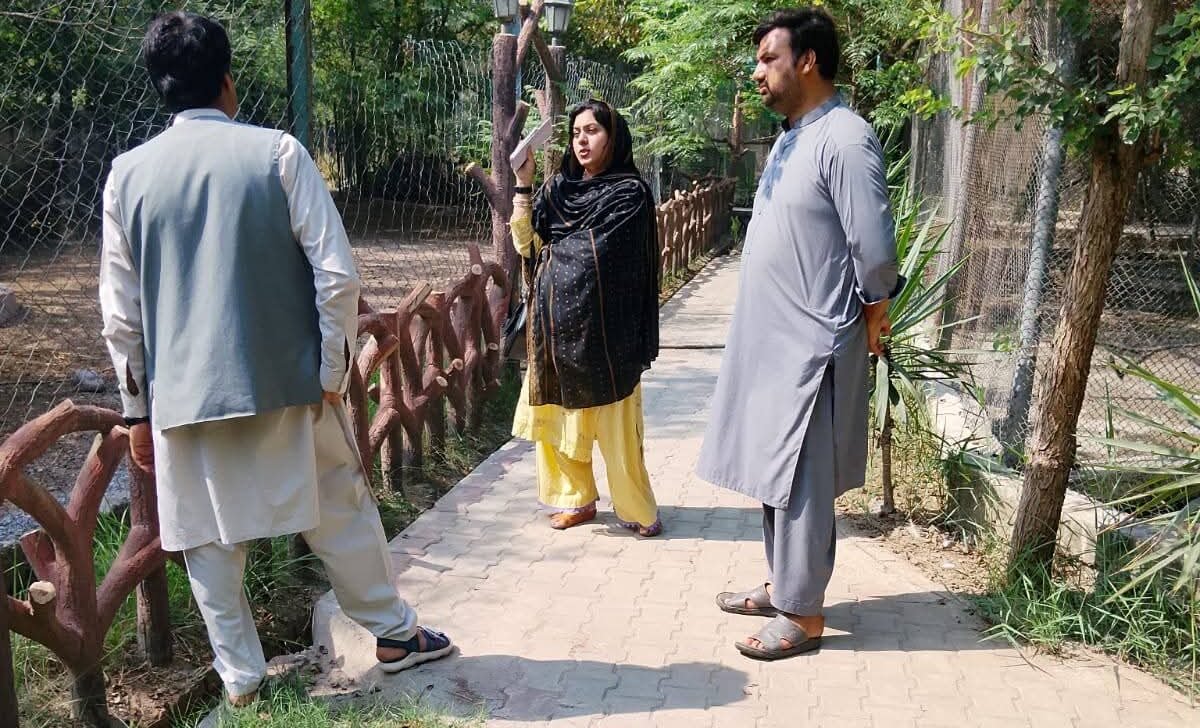
Haris Khurshid, a senior scientist at the National Agricultural Research Centre, said environmental governance in Pakistan must move beyond policy commitments to consistent implementation across sectors.
Integrated approach to sustainability
Gul Nawaz, a biodiversity specialist, said China’s experience shows that conservation and economic growth can progress together if supported by long-term planning and institutional coordination. He pointed to ecosystem restoration efforts such as afforestation and watershed management as relevant for Pakistan’s environmental context.
Experts also emphasised the importance of improving biodiversity monitoring systems, strengthening research capacity and involving local communities in conservation initiatives.
Policy direction and cooperation
Faiza Sharif, an academic in sustainable development, said Pakistan should prioritise low-carbon industrial development, renewable energy expansion and biodiversity protection to address environmental challenges.
Experts noted that closer cooperation with China in areas such as green technology, ecological monitoring and environmental finance could support Pakistan’s transition toward sustainable development.