LONDON: A BBC undercover asylum system investigation alleges that some immigration advisers and law firms in the United Kingdom have been encouraging migrants to submit false asylum claims based on fabricated sexual orientation. The report raises concerns about potential misuse of the asylum system and the role of intermediaries in preparing such cases.
What is the issue?
The investigation by the BBC found that certain advisers, paralegals and associated intermediaries were willing to assist migrants in presenting themselves as gay or lesbian in order to claim asylum.
Under UK law, individuals can seek asylum if they face persecution in their home country due to factors such as sexual orientation. The report alleges that asylum system legal provision is being exploited through fabricated claims supported by false narratives and staged evidence.
What did the investigation find?
Using undercover reporters posing as students from Pakistan and Bangladesh, the BBC tested whether advisers would recommend false claims. It reported that multiple individuals discussed preparing fabricated cases, including creating supporting documents and coaching applicants for interviews.
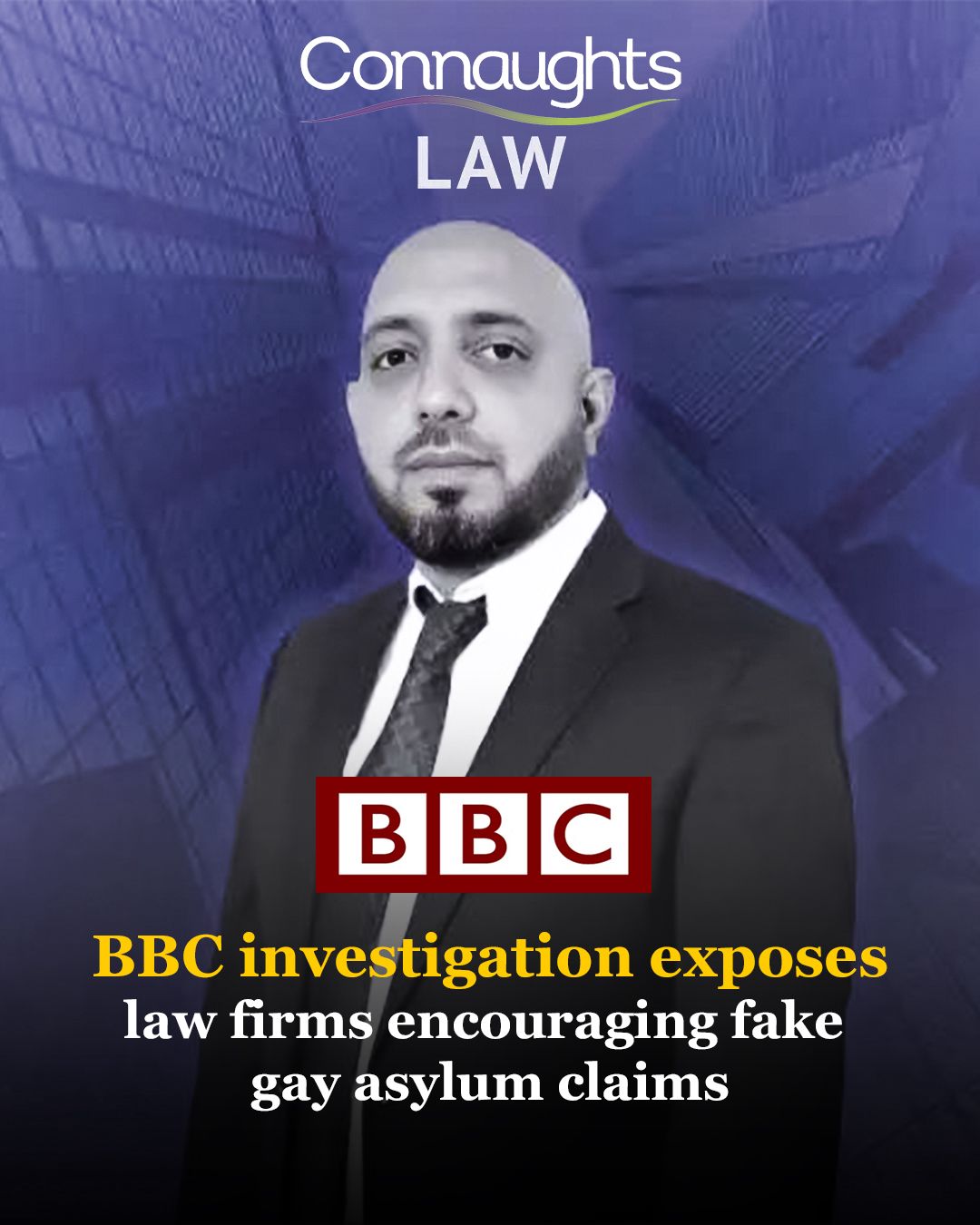
The asylum system investigation named at least two law firms — Law & Justice Solicitors and Connaught Law — in connection with these allegations. Individuals linked to these firms were accused of offering services to construct asylum claims for significant fees.
In one instance, a legal adviser at Connaught Law was recorded allegedly quoting up to £7,000 for handling a case and suggesting the likelihood of refusal was low. The adviser also asylum systemreportedly discussed ways to create supporting evidence, including arranging a person to pose as a same-sex partner.
How were claims allegedly prepared?
According to the report, some advisers outlined step-by-step methods to build a claim about asylum system . These included drafting personal statements, coaching applicants on how to respond during Home Office interviews, and advising on how to explain inconsistencies, such as existing marriages.
The BBC also reported that intermediaries offered to provide supporting materials such as letters and photographs, and in some cases suggested fabricating personal relationships to strengthen applications.
Who is affected?
The allegations primarily involve migrants whose visas were close to expiring, particularly from South Asian countries. These individuals were reportedly advised that applying for asylum on the basis of sexual orientation could be a way to remain in the UK.
The report also highlighted the involvement of a support group, Worcester LGBT, which was described as a meeting point for asylum seekers. Individuals linked to the group were alleged to have directed applicants toward preparing such claims.
Why does it matter?
Asylum systems are designed to protect individuals facing genuine persecution. Allegations of fabricated claims raise concerns about the integrity of the process and the potential impact on legitimate applicants.
The findings also point to possible regulatory and legal issues involving immigration advisers and law firms accused of facilitating false applications.
What happens next?
The BBC report presents allegations based on undercover reporting. It is not, by itself, a legal finding of wrongdoing. Regulatory authorities and relevant bodies may review the claims and determine whether further investigation or action is required.
Law firms and individuals named in such reports may respond to the allegations through legal or professional channels.