Amid frozen bodies, tonnes of waste and humanity’s ambition to conquer the sky.
By Rubén Darío Basay Roberts

At 8,848.86 metres above sea level, where the Earth seems to meet the sky, humanity has left one of the most contradictory traces of its existence.
There, where thousands have dreamed of attaining glory, the remains of an estimated two hundred people who never returned home are believed to lie. They were fathers, mothers, sons, daughters, siblings and friends who embarked on the most important journey of their lives, never imagining that this mountain would become their final resting place.
Alongside them lie oxygen cylinders, tents, ropes, plastics and human waste. How did the highest place on Earth become a symbol of our environmental irresponsibility?
Those who never returned
On 29 May 1953, Edmund Hillary and Tenzing Norgay made the first confirmed ascent of Everest. Since then, reaching its summit has become an international aspiration.
More than three hundred people have lost their lives on the mountain. Although there is no definitive census, around two hundred bodies are estimated to remain there. Extreme cold slows decomposition, while snow and glaciers conceal some remains.
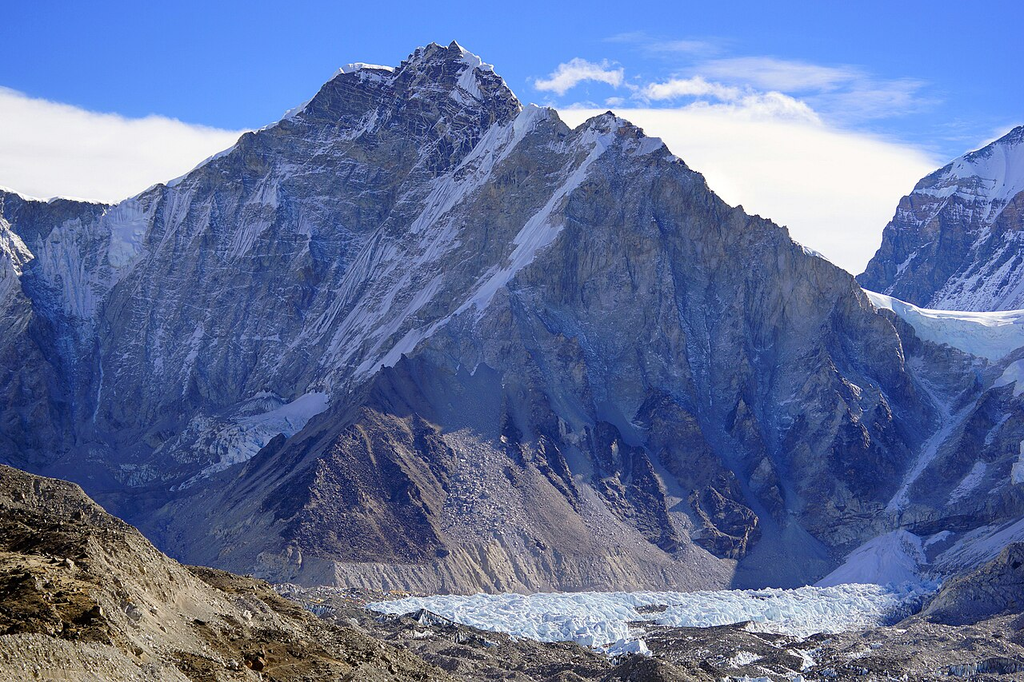
Recovering them is a dangerous and costly operation. Above 8,000 metres lies the so-called death zone. At the summit, the partial pressure of oxygen is approximately one third of that at sea level.
A 2009 study published in The New England Journal of Medicine documented extraordinarily low blood oxygen levels in mountaineers at 8,400 metres. Hypoxia impairs reasoning, coordination and decision-making.
Behind every body lies an interrupted story and a family that once waited for news that never came.
The highest rubbish dump on the planet
What began as an adventure reserved for experienced explorers has become an international tourism industry.
In 2024, a Nepal Army campaign recovered eleven tonnes of waste, four bodies and a skeleton from Everest and two other Himalayan mountains.
It is difficult to understand how someone can prepare for years, invest considerable financial resources and acquire sophisticated equipment to conquer a mountain, yet fail to take responsibility for removing their waste.
One of the least discussed problems is the accumulation of human excrement. Low temperatures hinder its natural decomposition. In 2024, local authorities in Nepal introduced a requirement to use special bags to collect this waste above base camp.
Why did we need a regulation to oblige us to respect one of the most extraordinary places on Earth?
Plastic has conquered Everest too
In 2020, research led by scientist Imogen Napper and published in the journal One Earth identified microplastics in snow samples collected at elevations of up to 8,440 metres.
Polyester fibres were prominent among the particles found, possibly shed by mountaineering clothing and equipment.
We have found plastic in the depths of the oceans and near the top of the world. Our capacity to pollute seems to have surpassed our capacity to protect.
Retreating glaciers and changes in ice cover can expose materials and human remains abandoned decades ago. It is as though the mountain were beginning to return the consequences of our history to us.
The true heroes of the Himalayas
While photographs of those who conquer Everest circulate on social media, numerous Nepali workers, many of them members of the Sherpa people, perform essential tasks that rarely receive the same recognition.
They carry equipment, prepare routes, accompany expeditions and participate in rescue and clean-up operations, risking their lives in extreme conditions.
We should recognise both those who reach the summit and those who make it possible for others to return home. We should also honour those working to restore the mountain’s dignity.
The next conquest of Everest
I admire the discipline, perseverance and courage that mountaineering demands. But we must ask ourselves when the legitimate aspiration to surpass our own limits began to be confused with the need to dominate nature.
Authorities, tourism companies and climbers share a responsibility. Ensuring the removal of waste, protecting mountain workers and funding clean-up operations should be essential conditions for expeditions.
I propose that the next great conquest of Everest should be to recover, whenever it is safe and with respect for the families, the bodies of those who lost their lives there, remove accumulated rubbish, and make the mountain an environmentally sustainable and dignified place.
May the nations that organise expeditions also join forces to protect this heritage of humanity.
One day, our children will ask why we left so much waste and so many bodies on the roof of the world. Will we tell them that we were too busy trying to prove our greatness?
No summit is worth more than returning home and embracing those we love once again.
There is little point in humanity reaching the highest place on Earth if its conscience remains too close to the ground.
Everest does not need more conquerors.
It needs guardians and genuine environmental awareness