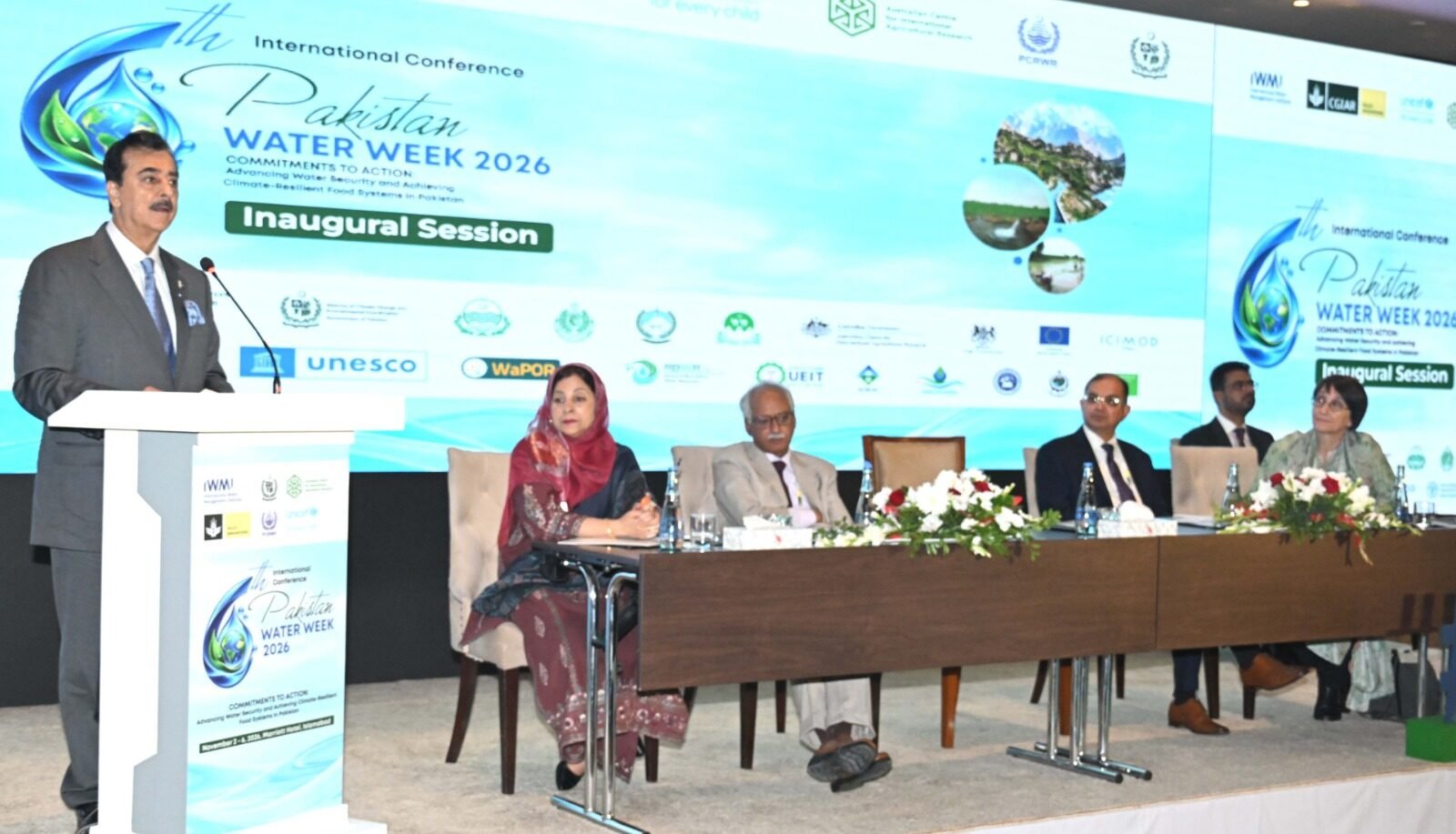
ISLAMABAD, November 2, 2026: Pakistan is increasingly trapped in a continuous cycle of recovery as climate-related disasters intensify, leaving the country with less time to recover before the next emergency strikes, Senator Sherry Rehman has warned.
Speaking at a climate-related event, Rehman said the intervals between climate disasters were shrinking, while Pakistan’s capacity and time to recover were becoming increasingly limited. She observed that the country faced at least one major natural disaster almost every summer, placing mounting pressure on communities, infrastructure and the economy.

Highlighting emerging regional climate risks, she said the El Niño phenomenon could increase the likelihood of droughts and intense rainfall across South Asia, making climate preparedness and regional cooperation increasingly important.
Rehman also warned that water and oil could become major sources of global conflict in the future. She drew attention to the growing resource demands of artificial intelligence, noting that AI data centres consume not only large amounts of energy but also substantial volumes of water.
On Pakistan’s energy transition, she said the share of solar power in the country’s energy mix was growing rapidly. However, the outdated electricity transmission system continued to waste approximately 18 per cent of power, highlighting the need for modernisation and improved infrastructure.
She stressed that Pakistan must urgently address climate-related factors within its own control and strengthen its preparedness to deal with the growing impacts of climate change.
Climate commitments must translate into action: Shaza Fatima
Minister of State Shaza Fatima Khawaja emphasised that Pakistan’s national climate commitments must be translated into practical measures, stressing that regional cooperation was essential to addressing climate risks.
She called for climate resilience to become a central component of development planning and resource management, rather than being treated as a separate policy concern.
According to her, the success of climate initiatives should be measured by their tangible impact on people’s lives and their ability to reduce the difficulties faced by vulnerable communities.
She also urged the private sector to increase investment in environmentally friendly agriculture, efficient water use and sustainable production practices.
Reaffirming Pakistan’s position on international climate negotiations, Shaza Fatima said the country would continue to advocate for climate justice and accessible financial support at COP31.
She further announced that Pakistan’s first national State of the Environment report since 2016 would be released soon, providing an updated assessment of the country’s environmental situation.