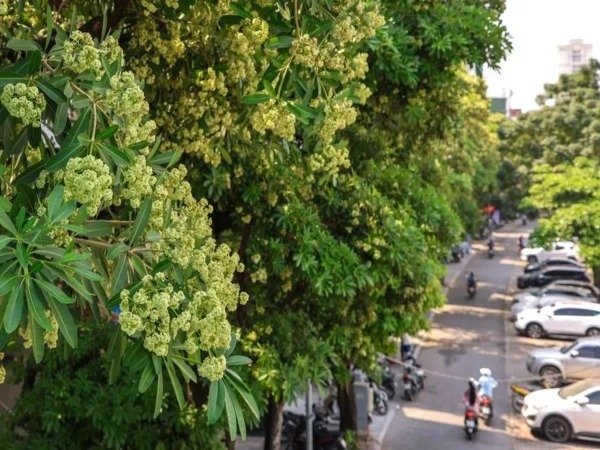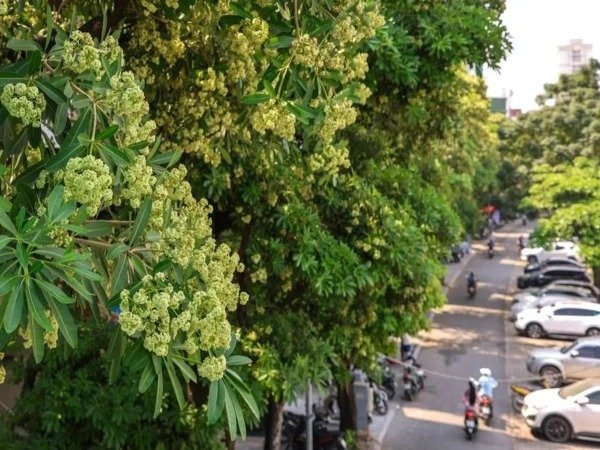
HANOI, Vietnam: Authorities in Vietnam’s capital, Hanoi, have begun trimming flowering branches and relocating some trees after residents complained that their strong fragrance was causing discomfort, including headaches and migraines.
The trees, locally known as hoa sữa or milk-flower trees, are famous for their sweet scent and have long been associated with Hanoi’s autumn season.

According to Reuters, Hanoi has approximately 14,400 of these trees. Their fragrance becomes particularly intense during September and October, especially in the evening, when the flowers release their distinctive scent.
While many residents consider the fragrance an important part of the city’s seasonal character, others say its intensity has made outdoor activities uncomfortable. Some residents have reported headaches and migraines, with one person saying the problem prompted them to stop taking evening walks.
Following public complaints, authorities launched a five-day campaign to trim the flowering branches of approximately seven per cent of the trees. Officials have also decided to relocate some trees as part of efforts to address residents’ concerns.
However, the decision has drawn mixed reactions. Some residents oppose the measures, arguing that the trees contribute to Hanoi’s beauty, cultural identity and distinctive autumn atmosphere.
Experts cited in the report say the fragrance itself is not considered toxic, although pollen from the trees may trigger allergic reactions in some people.
Balancing Urban Greenery and Public Well-being
The situation highlights a challenge faced by cities worldwide: how to maintain urban greenery while responding to residents’ health concerns and comfort.
Trees provide shade, support urban biodiversity and contribute to the quality of public spaces. However, decisions about managing urban trees may also need to consider pollen sensitivity, seasonal flowering patterns and the needs of people living nearby.
Hanoi’s response illustrates the importance of balancing the preservation of the city’s natural character with public feedback and evidence-based urban tree management.