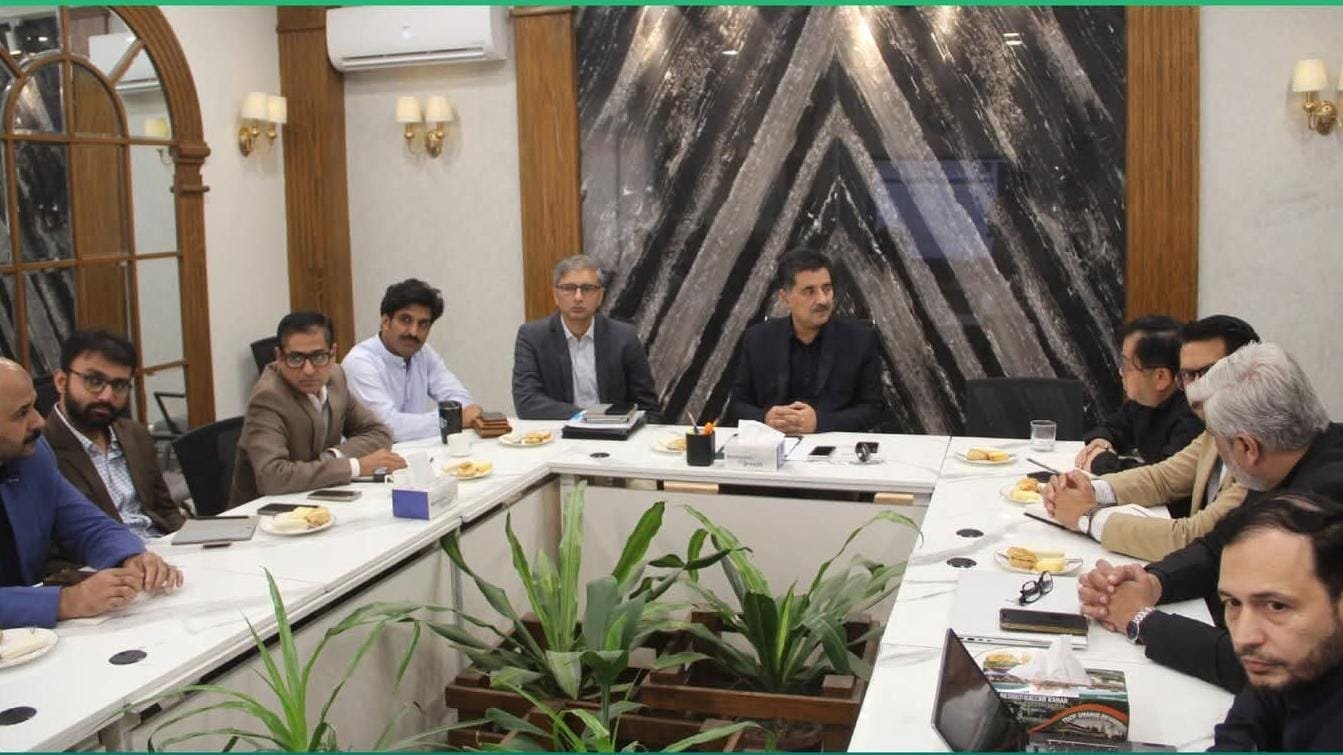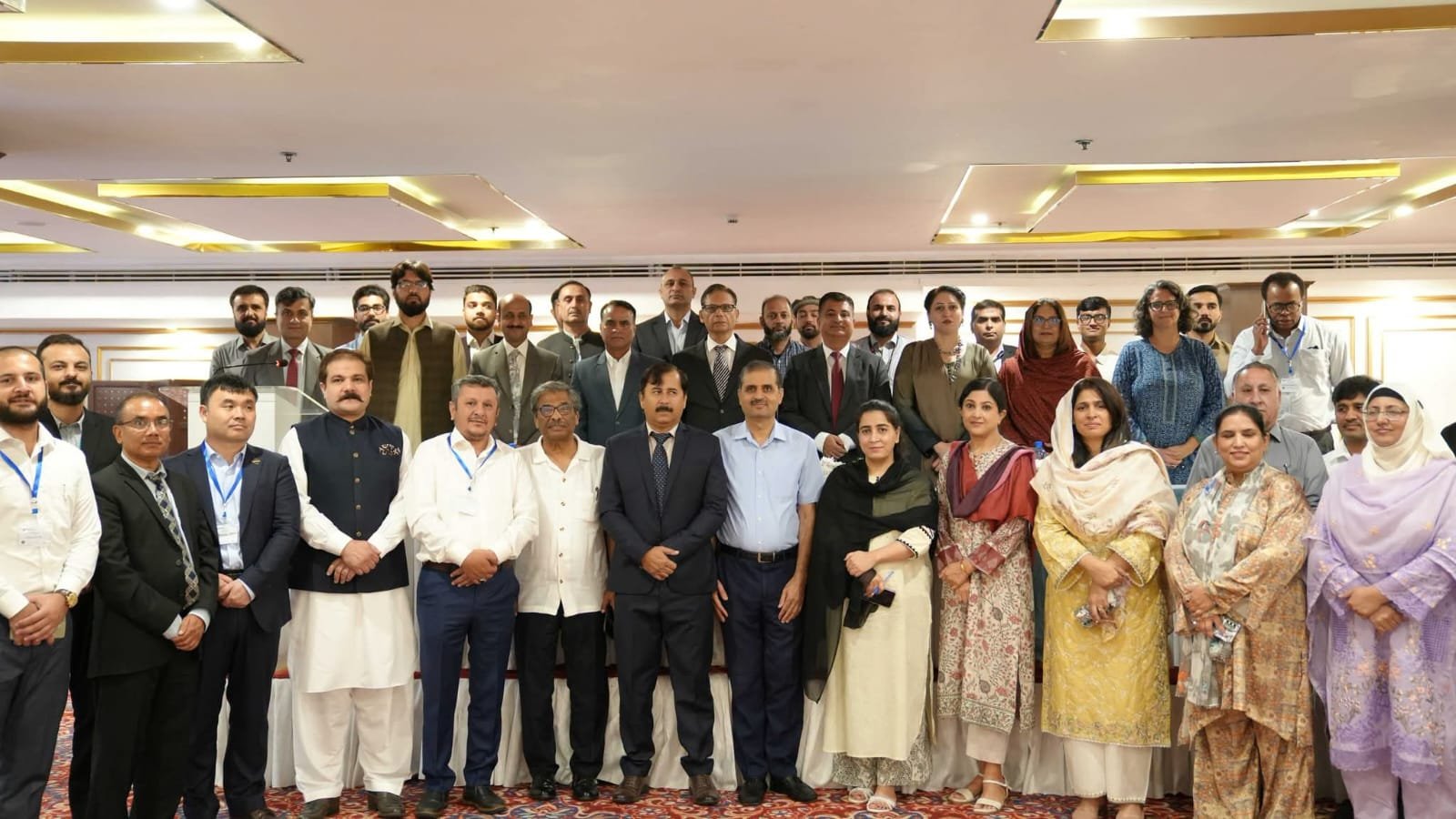
ISLAMABAD, September 7, 2026: The two-day National Inception and Launch Workshop of the SAFER Pakistan Project commenced in Islamabad, bringing together representatives from government institutions, UN agencies, technical organizations, academia and other stakeholders to develop a coordinated framework for implementing the project across the Indus Basin.
Supported by the Adaptation Fund and implemented by the International Centre for Integrated Mountain Development (ICIMOD), UNICEF and UN Women, the SAFER Pakistan Project aims to strengthen the resilience of communities exposed to interconnected climate risks.

The project focuses on a range of climate and environmental challenges, including water insecurity, ecosystem degradation, cryosphere-related hazards and extreme weather events. These risks are increasingly interconnected, requiring integrated approaches that combine climate adaptation, ecosystem protection and community resilience.
Participants at the workshop discussed priorities and approaches for translating the project’s objectives into practical interventions across vulnerable areas of the Indus Basin. The gathering also provides an important platform for coordination among government agencies, development partners, technical experts and local stakeholders.
Gender Equality at the Centre of Climate Adaptation
A key focus of the SAFER Pakistan Project is gender equality and social inclusion, recognizing that climate risks do not affect all members of society equally.
The project seeks to ensure that women, girls and marginalized communities are meaningfully involved in climate adaptation planning and decision-making. Their local knowledge, priorities and experiences are expected to inform the development of climate solutions and resilience measures.
Stakeholders emphasized that effective climate adaptation requires more than investment in physical infrastructure. It also depends on inclusive decision-making, equitable access to resources and ensuring that vulnerable groups benefit fairly from climate investments.
The launch workshop is expected to help establish priorities for project implementation and strengthen collaboration among participating institutions.
With the Indus Basin facing increasing pressure from climate change, water insecurity and extreme weather, initiatives such as SAFER Pakistan are intended to support communities in preparing for and adapting to emerging risks.
The project represents an effort to make climate adaptation more inclusive, locally informed and responsive to the needs of vulnerable communities, while strengthening resilience across one of Pakistan’s most important river basins.
Climate adaptation must work for everyone. Building resilience means leaving no community behind.