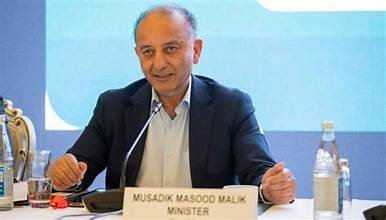
LAHORE: Federal Minister for Climate Change and Environmental Coordination Dr. Musadik Malik has stressed that effective environmental governance, sustainable development and stronger institutional coordination are essential for addressing the growing challenges posed by climate change in Pakistan.
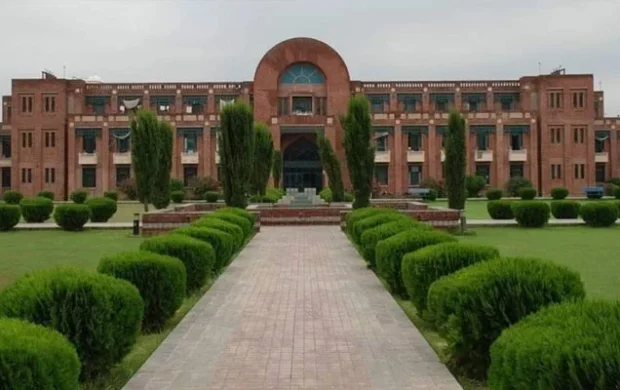
Speaking to probationary officers of the 54th Common Training Programme at the Civil Services Academy in Lahore on Wednesday, the minister said climate change has become one of the most pressing global challenges and requires a coordinated national and international response.

Dr. Malik said Pakistan remains among the countries most vulnerable to climate change despite contributing only a negligible share to global greenhouse gas emissions. He urged the international community to ensure climate justice by expanding financial support and facilitating access to modern technologies for developing countries facing the greatest climate risks.
He noted that climate disasters not only damage the environment but also reverse decades of economic progress by pushing vulnerable families back into poverty. Floods, heatwaves and other extreme weather events, he said, can destroy livelihoods within days, making climate change a major development and social justice issue rather than merely an environmental concern.
Referring to recent disasters, the minister said Pakistan’s four major flood events resulted in nearly 6,000 deaths, left around 19,000 people injured or disabled and displaced approximately 40 million people. He said the human and economic losses caused by these disasters exceeded those of many armed conflicts, highlighting the need for stronger disaster preparedness and climate resilience.
Dr. Malik emphasized that healthy urban planning should prioritize affordable and safe housing while ensuring environmental sustainability. He said cities should be designed to provide secure, healthy and dignified living conditions for all citizens, particularly low-income communities that are often the most vulnerable to climate impacts.
Recalling the environmental conditions of his childhood, he said pollution, smog, contaminated water and deteriorating air quality have significantly altered Pakistan’s natural environment over the past three decades. He warned that access to clean air and safe drinking water has become increasingly difficult for millions of people, particularly those unable to afford alternative sources.
Addressing the trainee civil servants, the minister urged future policymakers and administrators to integrate climate considerations into governance and public policy, ensuring that sustainable development principles are reflected across all sectors.
Responding to questions during the interactive session, Dr. Malik said technological innovation would play a decisive role in Pakistan’s future economic growth. He encouraged young people to embrace emerging technologies and innovation to develop practical solutions that address public needs.
He also described the government’s “Uraan Pakistan” initiative as a long-term national vision aimed at accelerating economic growth, expanding exports, promoting technological advancement and developing human capital.
On climate diplomacy, the minister said the Ministry of Climate Change and Environmental Coordination is working to strengthen Pakistan’s voice in international climate negotiations, secure climate finance and enhance cooperation under global environmental agreements.
Responding to a question on Islamabad’s seasonal pollen allergies, Dr. Malik said the government had removed certain high-pollen tree species in compliance with court directives while planting three times as many replacement trees to maintain ecological balance.
Commenting on Pakistan’s energy transition, he said future energy policies must strike a fair balance between consumers and investors, particularly as the country expands renewable energy and solar power.
On the Indus Waters Treaty, the minister said India cannot unilaterally violate the agreement. He warned that any attempt to interfere with the natural flow of shared rivers could have serious regional consequences, including both water shortages and increased flood risks.
Concluding his address, Dr. Malik called on future civil servants to prioritize environmental protection, sustainable resource management, transparent governance and effective implementation of environmental laws, saying strong climate governance is essential for achieving sustainable development and ensuring a safer, greener and more resilient Pakistan for future generations.