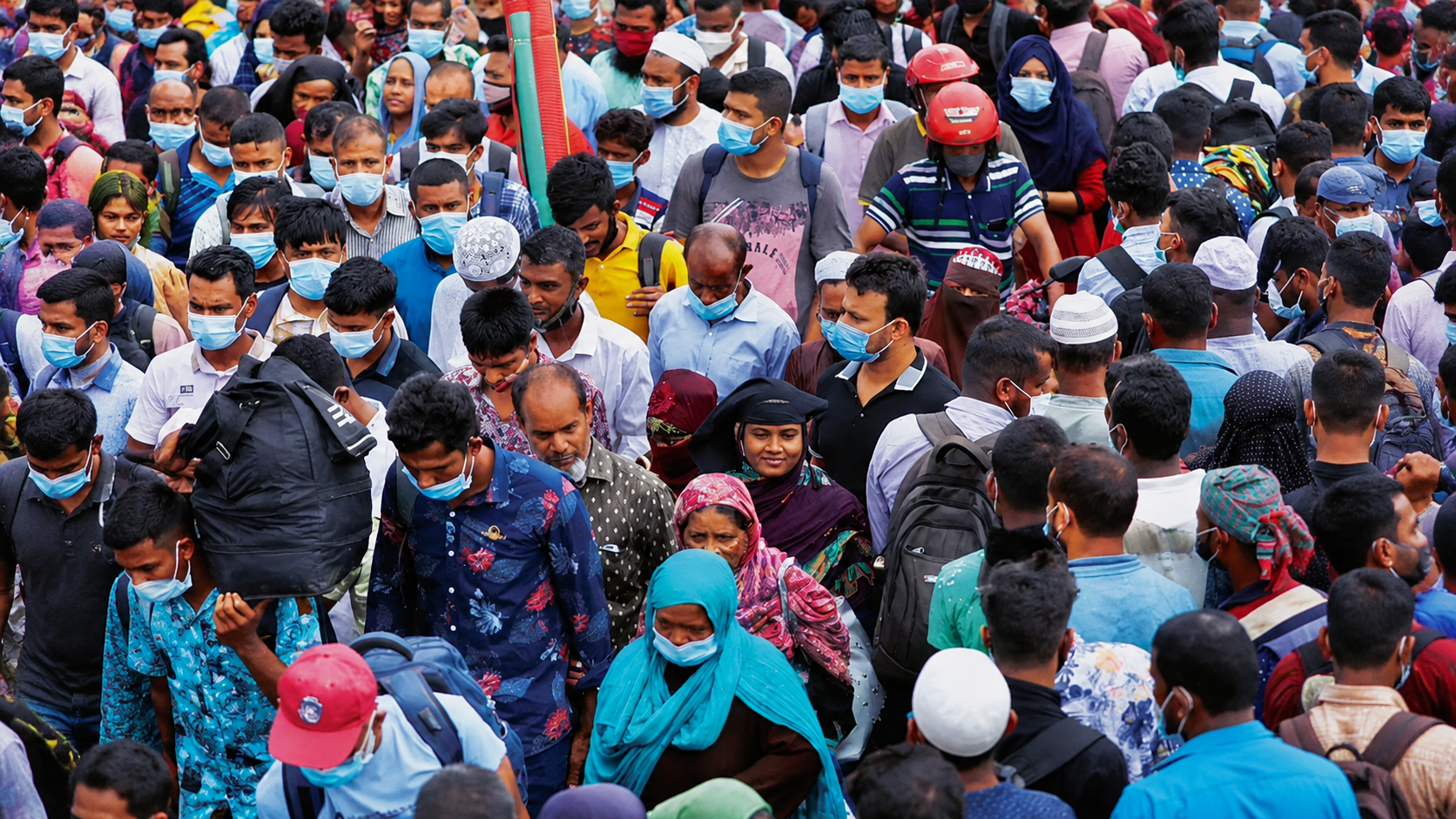
ISLAMABAD: Pakistan’s population could grow to nearly 390 million by 2050 under new estimates prepared after the 2023 census, raising fresh concerns over urban growth, housing, healthcare, and employment needs in the coming decades.
The projections were developed by the National Institute of Population Studies, Training and Research in partnership with the Ministry of Health, the Ministry of Planning, and the UN Population Fund (UNFPA).

The report says Pakistan’s population was recorded at 241.86 million during the 2023 census and presents two possible demographic scenarios for the next 25 years.
Under the first projection, if current fertility trends continue, the country’s population may rise to around 389.78 million by 2050 with annual growth remaining close to 1.3 percent.
The second projection assumes stronger development and population policies that reduce birth rates more rapidly, potentially limiting the population to around 371.79 million by 2050.
Karachi, Islamabad among areas expected to grow fastest
According to the report, Punjab will remain Pakistan’s most populated province, while Balochistan is expected to record the fastest population growth rate.
Islamabad’s population could nearly triple due to rapid urban expansion and migration, while Karachi is also expected to continue growing because of internal migration and economic opportunities.
Officials said the projections underline the need for greater investment in education, healthcare, housing, employment, and social protection systems to manage future demographic pressures.
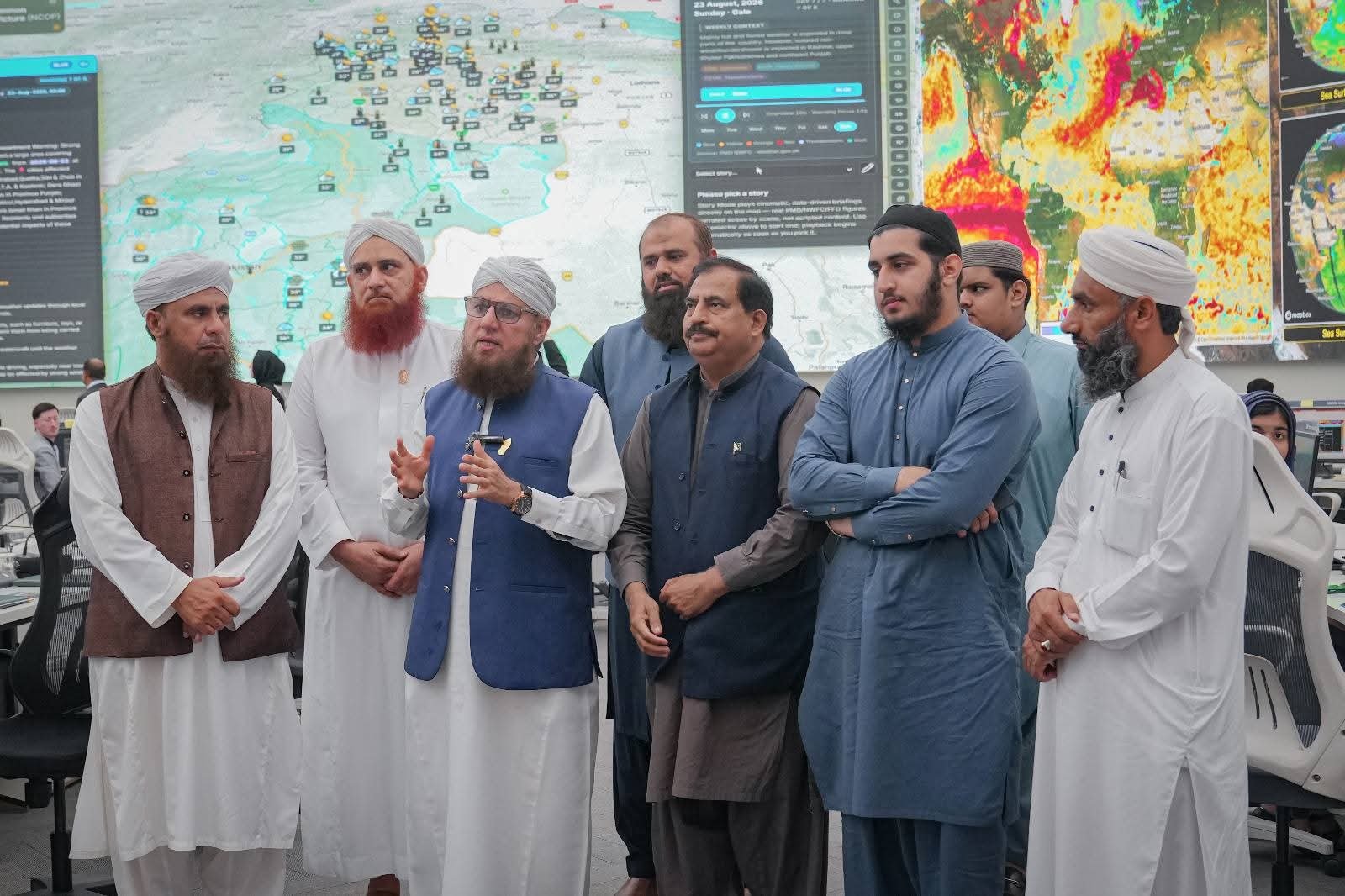
Federal ministers Mustafa Kamal and Ahsan Iqbal commended the researchers and technical experts involved in preparing the report.