Multan, March 25: Mango growers in South Punjab have raised concerns that potential disruptions linked to the Indus Waters Treaty could affect water availability, putting Pakistan’s mango production at risk and threatening thousands of livelihoods tied to the sector.
Farmers say any upstream water management changes could reduce irrigation supply in key producing districts, including Multan, Rahim Yar Khan, Muzaffargarh and Khanewal, where mango orchards depend on consistent water flow for yield and quality.
Key crop and economic backbone

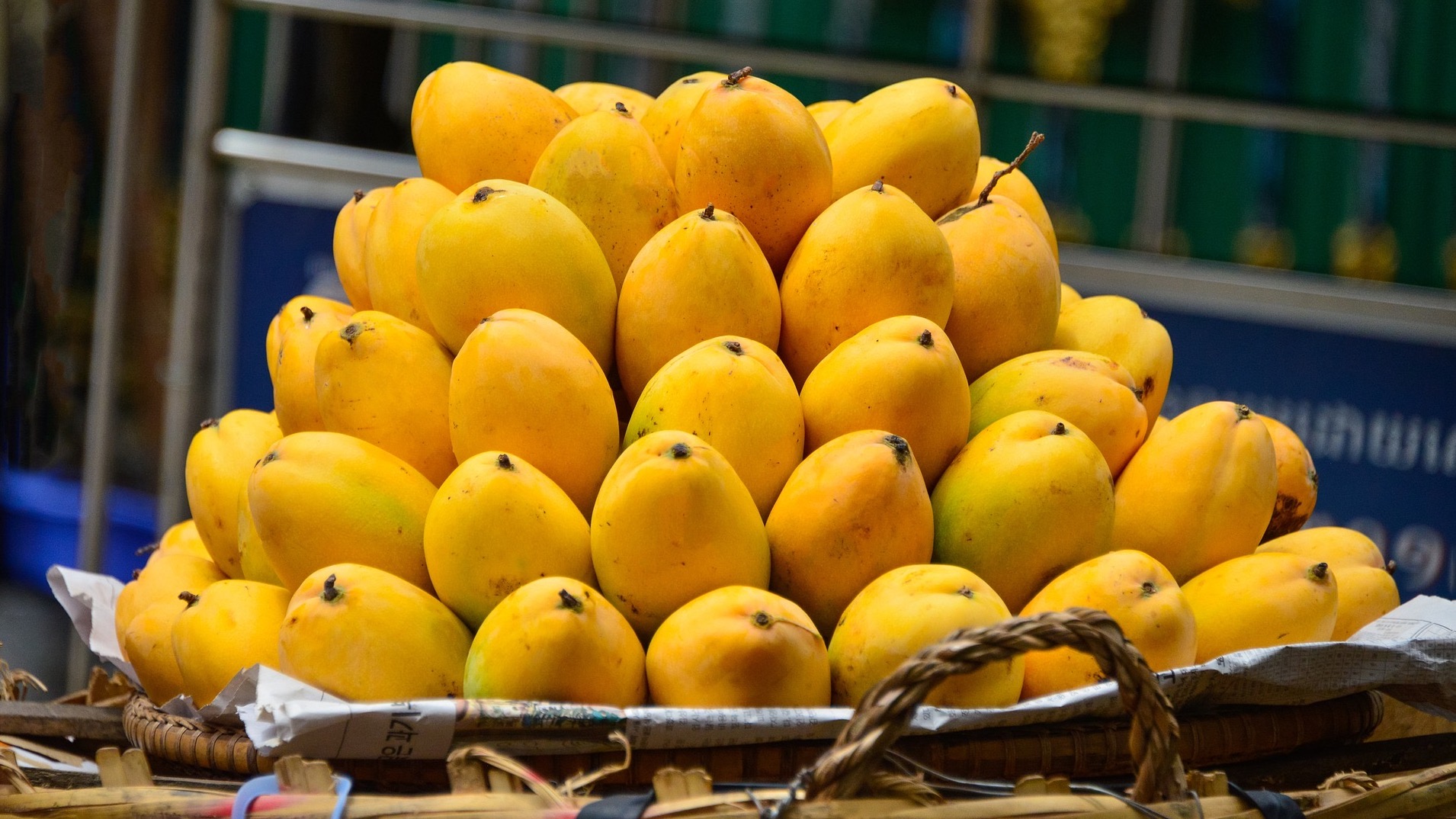
South Punjab is widely regarded as the centre of Pakistan’s mango production, producing varieties known for their flavour, aroma and export value. The sector contributes significantly to the country’s economy by generating foreign exchange and supporting a large workforce.
The mango industry sustains orchard owners, farm labourers, seasonal pickers, transporters and traders, with peak season activity also driving commercial sales and traditional gifting.
Water concerns and agricultural impact
Growers warn that reduced water flow could lead to lower yields, declining fruit quality and long-term damage to orchards, which take years to mature. They say consistent irrigation is essential for maintaining both productivity and export standards.
Shahid Hameed Bhutta, an orchard owner, said any disruption in water supply could harm the global reputation of Pakistani mangoes and called for attention from relevant international bodies.
Livelihood and food security risks
Farmers including Malik Arif Kalroo and Malik Umar Hayat highlighted the broader economic impact, noting that reduced production could affect thousands of families and disrupt supply chains linked to the mango trade.
They also warned that prolonged water shortages could pose risks to food security and agricultural stability in the region.
Call for treaty compliance
Growers emphasised the importance of adhering to international water-sharing agreements, including the Indus Waters Treaty, to maintain regional balance and protect agricultural output.
They cautioned that any sustained disruption could have long-term consequences for Pakistan’s economy and for a crop closely associated with South Punjab’s cultural identity.