By Asif Mahmood Awan
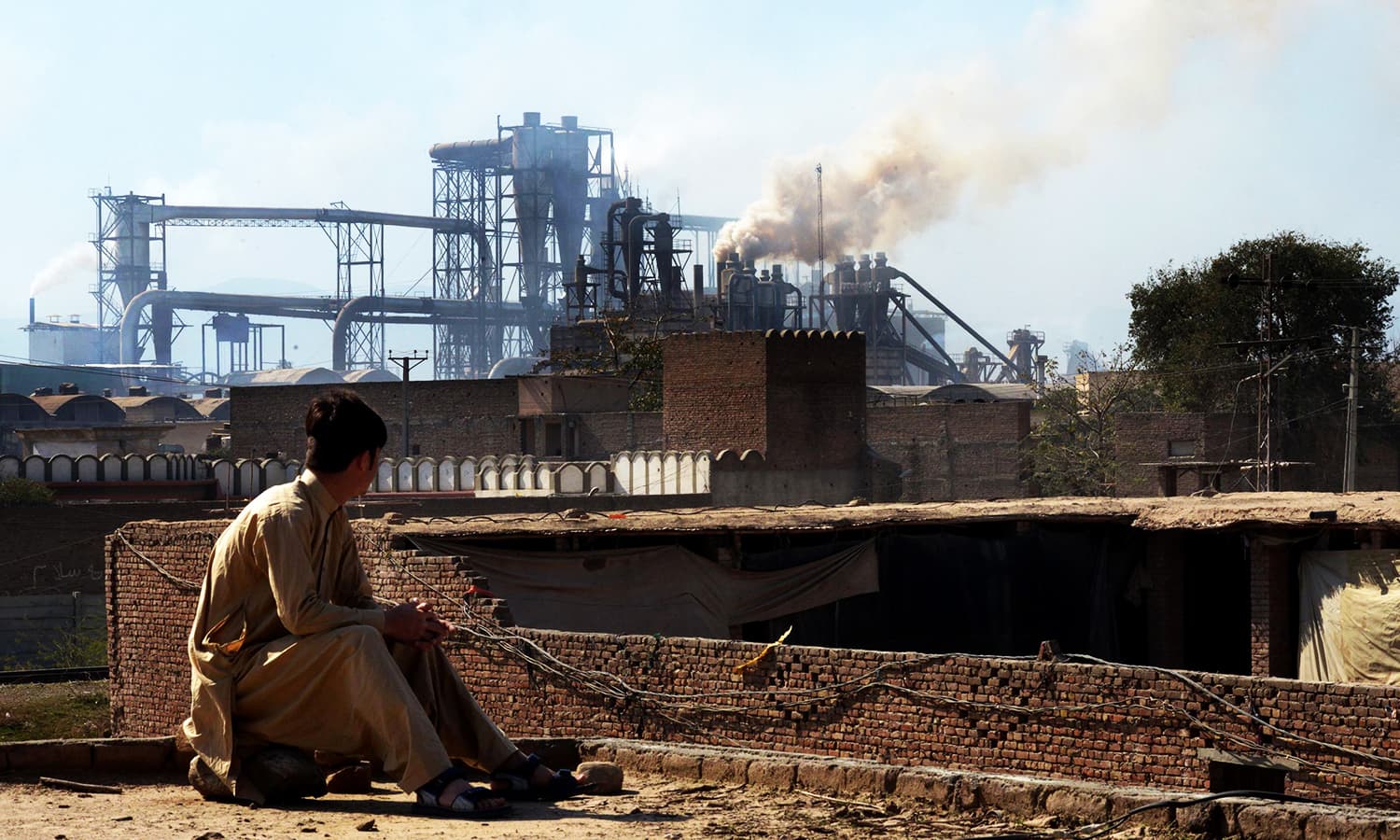
ABBOTTABAD: The district administration has sealed 19 factories in the Abbottabad Small Industry Estate after identifying environmental violations that posed a serious threat to the local population and aquatic life across 56 villages, officials said.

The action was taken under the supervision of the assistant commissioner as part of an operation against unchecked industrial pollution in the area. Authorities said waste and effluents discharged by factories had put residents of Mangal at significant risk.
According to officials, sewage from dozens of factories in the Small Industry Estate, wastewater from Ayub Teaching Hospital, and effluents from nearby residential areas entered a drain passing through Osmanabad. The drain ultimately feeds into the 45-kilometre-long Mangal River, affecting drinking water sources, aquatic life, and livelihoods in downstream communities.
The pollution has reportedly led to the decline of fish farms and water mills, while raising fears of infectious disease outbreaks. Officials noted that this waterway serves millions of people from Osmanabad to Mangal Valley.
Local residents had made repeated individual efforts to halt the pollution, but without success. In response, community members launched the Mangal Bachao Movement, bringing together representatives from affected villages, including religious leaders from different schools of thought, to raise the issue at multiple forums.
Following sustained public pressure, the deputy commissioner ordered an inquiry and formed a five-member committee comprising officials from the Fisheries, Irrigation, Environment, and assistant commissioner offices. Although warnings were issued to representatives of Ayub Medical Complex and Feroze Colony Small Industry based on the committee’s findings, authorities said waste dumping continued.
On Friday, newly appointed Assistant Commissioner Zubair Hindal ordered the sealing of 19 factories, warning that operations would not be allowed to resume until pollution control measures were fully implemented. Officials said protecting public health and environmental safety remains the top priority.
Also read: 12 canals closed in Punjab for annual maintenance, desilting