

Islamabad: Climate experts and policy practitioners meeting in Islamabad stressed that global climate conferences must move beyond debate toward concrete delivery, as Pakistan and other vulnerable countries continue to face mounting climate risks with limited financial support.
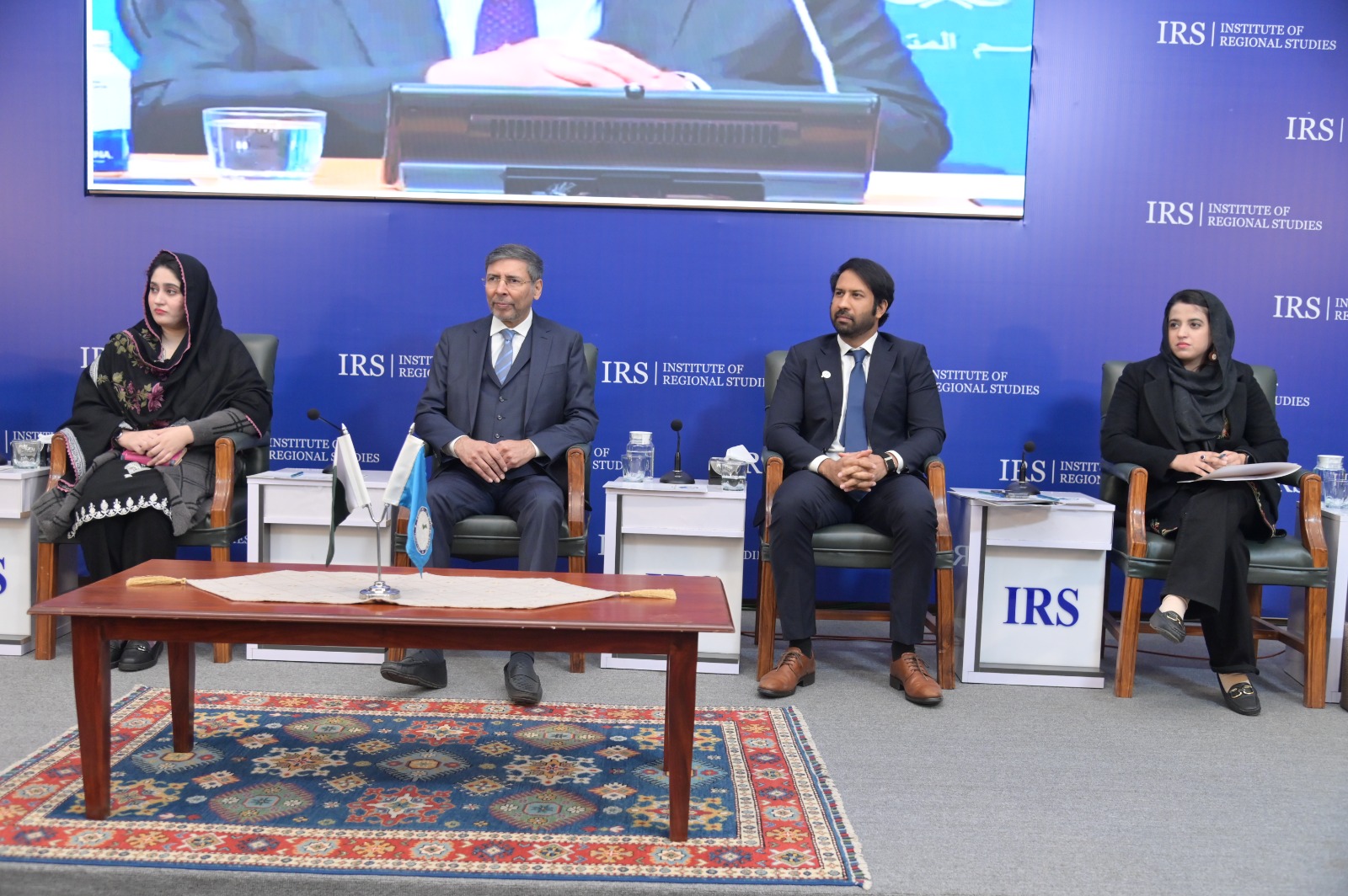
The discussion took place at a post-COP30 seminar organised by the Institute of Regional Studies (IRS), which reviewed the outcomes of the United Nations climate conference held in Belém, Brazil, and examined their relevance for climate-exposed states.
Pakistan’s climate exposure highlighted

Opening the seminar, Ambassador Jauhar Saleem said Pakistan remains highly vulnerable to climate change despite contributing less than one percent to global greenhouse gas emissions. He pointed to shrinking glaciers, water scarcity, deforestation and deteriorating air quality as growing challenges, noting that Lahore now ranks among the world’s most polluted cities.
He also said fossil fuels continue to dominate the global energy mix, while non-fossil sources remain comparatively limited. While acknowledging Pakistan’s progress in solar energy, particularly through small-scale and micro-solar initiatives, he argued that resilience measures alone are insufficient without adequate climate finance and effective implementation.
COP30 seen as political as well as scientific
Ms. Zainab Naeem, Associate Research Fellow at the Sustainable Development Policy Institute (SDPI), described COP30 as an important diplomatic forum shaped by political considerations alongside scientific evidence. She said key discussions at the conference included transitioning away from fossil fuels, addressing deforestation, and reducing black carbon emissions caused by biomass and crop residue burning.
She noted that black carbon, though short-lived, poses serious risks to human health and the climate, particularly in South Asia.
Climate finance gap remains wide
Hamza Haroon, Regional Director for South Asia at the Climate Vulnerable Forum (CVF-V20), focused on the persistent gap between climate-related losses and available funding. He said that while new financing mechanisms have created funding windows of around $150 to $250 million, these amounts fall far short of the tens of billions of dollars in losses caused by climate disasters in vulnerable countries.
He added that adaptation needs continue to outpace the scale of international financial commitments.
Continuity in negotiations stressed
Tahanyat Satti, a negotiator at the UN Framework Convention on Climate Change (UNFCCC), highlighted the importance of continuity in climate negotiations. She warned that frequent changes in negotiating teams weaken the bargaining position of developing countries and reduce their ability to secure long-term commitments.
Linking COP30 outcomes to local realities
The session was moderated by Talha Tufail Bhatti of the ARO Climate Governance, Policy and Food Security Programme. He said post-COP30 discussions are essential to bridge the gap between global climate pledges and on-ground realities faced by countries like Pakistan.
Read related news here: https://greenpost.com.pk/category/pakistan/
For more stories and insights, visit The Public


